
The Cucuncio and the Caper: A Journey to Discover Hidden Flavours

The caper è una pianta originaria dell’Asia Minore, che ha trovato un clima molto favorevole anche nel Mediterraneo. È infatti molto diffusa in tutto il sud Italia e da maggio fino alla fine dell’estate regala un tocco di colore anche nei terreni più aridi, rilasciando anche un delicato profumo nell’aria grazie ai suoi particolari fiori colorati.
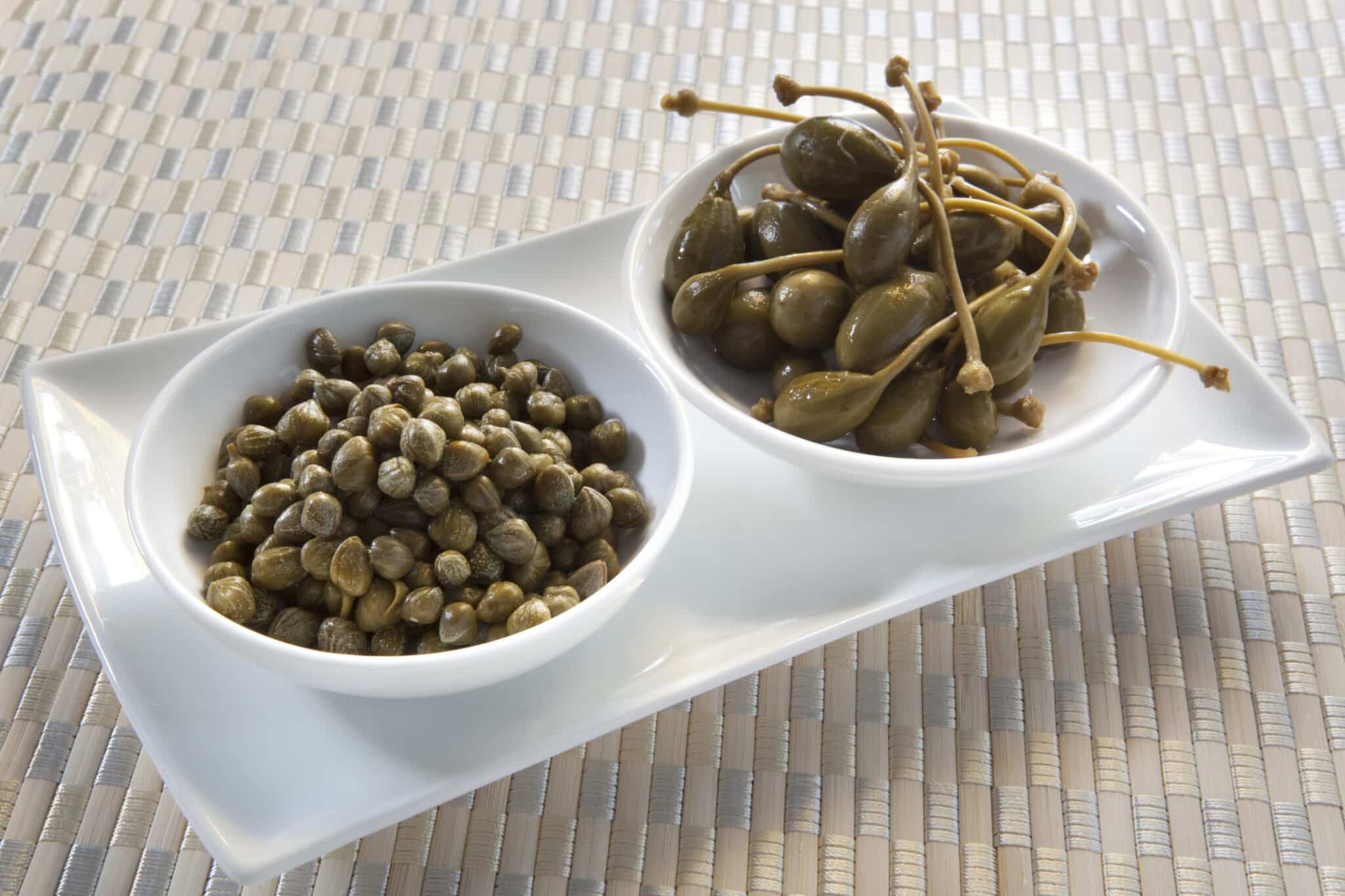
What we commonly know as a 'caper' is actually the unopened flower bud, but when this is not picked and left on the plant, it will blossom into a beautiful flower and give birth to a fruit with a very special name: the cucuncio indeed! The cucuncio is, therefore, the fruit of the caper flower when it is not picked immediately before flowering.
Exploring the Differences between Caper and Cucuncio
When we talk about caper e cucuncioit is essential to understand that although they come from the same plant, they represent two completely different stages of the plant's life cycle and have distinctive characteristics both in terms of appearance that of use culinary.
Capers are the non-flowering buds della pianta di Capparis spinosa, raccolti manualmente prima che il fiore abbia la possibilità di sbocciare. Sono piccoli, rotondi e di un verde intenso, noti per il loro sapore pungente e leggermente amaro, molto apprezzato in cucina per la capacità di aggiungere un tocco di vivacità a molti piatti, soprattutto nella cucina mediterranea.
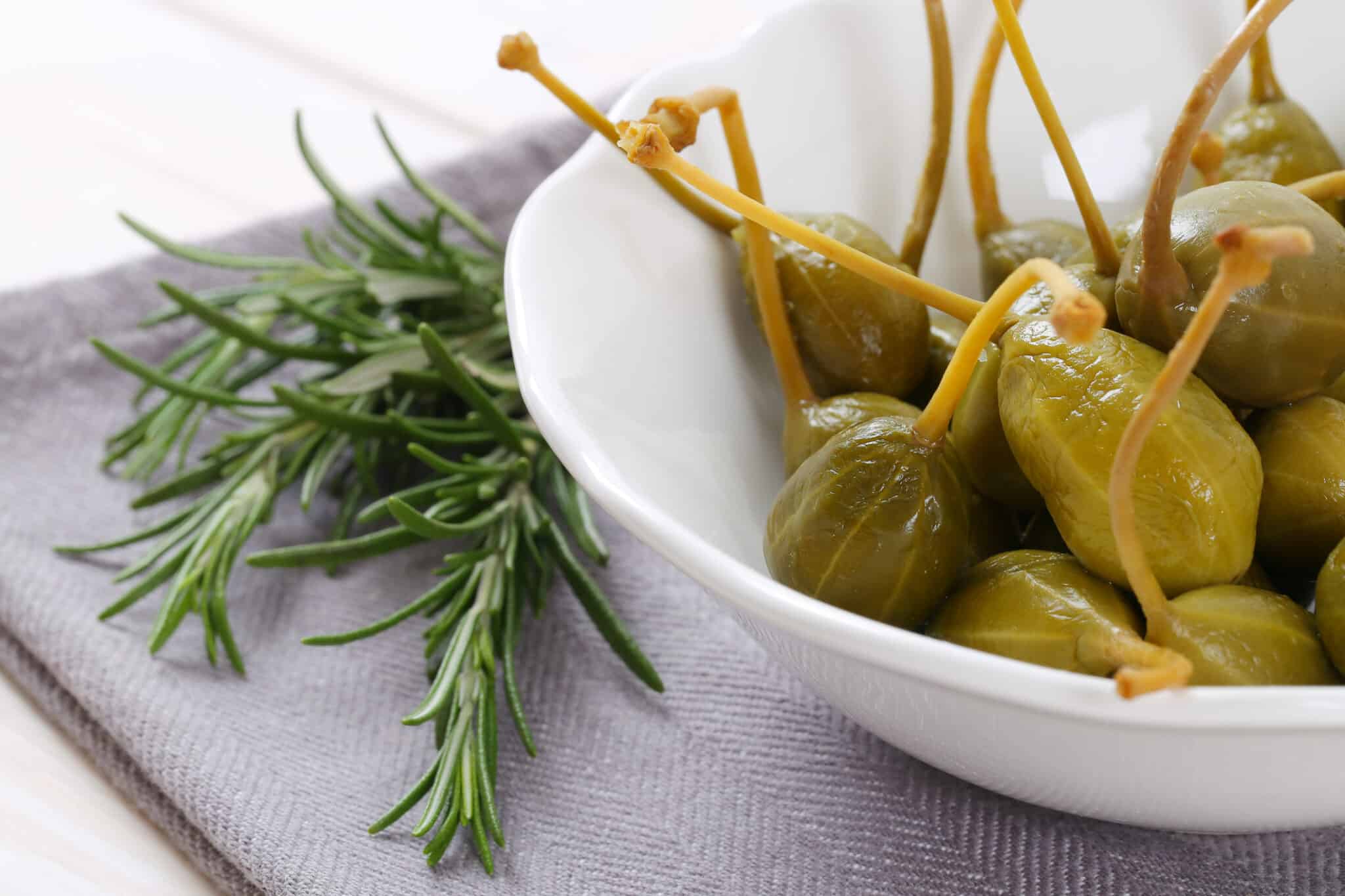
On the other hand, the cucuncio is the fruit that develops after the flower of the caper plant has been allowed to bloom and pollinate. Unlike the caper, the cucuncium is more elongated in shape and has a long stalk. Inside, we find seeds, che, se il cucuncio è raccolto al momento giusto, non interferiscono con la masticazione e sono piuttosto facili da consumare. Questo frutto ha un gusto meno intenso rispetto al cappero, ma è comunque apprezzato per il suo sapore delicato e la sua versatilità in cucina.
The importance of knowing the differences tra questi due prodotti sta non solo nell’arricchire il nostro sapere culinario ma anche nel valorizzare due prodotti che, sebbene connessi, offrono esperienze sensoriali molto diverse. Ogni elemento ha il suo posto in cucina e può essere utilizzato per esaltare differenti piatti, dal pesce alle insalate, dimostrando come dalla stessa pianta possano derivare ingredienti con usi e caratteristiche così diversi.
Cucuncio Conservation Techniques
To maintain the organoleptic qualities of the cucuncio, it is essential to follow proper preservation methods that preserve their flavour and freshness. One of the most common techniques is pickling, but the process starts much earlier, with the dehydration of the cucuncio.
Dehydration is a crucial step: it starts with a proportion of 1:1 of salt and fruitor 1 kg of salt for every kg of cucunci. These are layered in a container, alternating a layer of cucunci and a layer of salt. This method not only extracts excess moisture but also helps to preserve the cucunci naturally, reducing the proliferation of bacteria.
Day after day, the salt absorbs the moisture released by the cucunci, which must be removed regularly to prevent the formation of mould. Once the dehydration process is complete, the cucunci can be preserved in various ways: pickled, in brine, or in oil. These methods not only diversify the way cucunci can be enjoyed but also extend their shelf life, allowing their flavours to be enjoyed for about 18 months.
Conoscere e applicare correttamente queste tecniche di conservazione non solo assicura che il prodotto finale mantenga le sue migliori qualità ma apre anche la porta a un mondo di ricette in cui il cucuncio può brillare come protagonista o come complemento, arricchendo la tavola con il suo gusto unico e delicato.
Through this information, we hope to have cleared up some doubts about the caper and its lesser-known fruit, the cucuncio. Whether it is to enrich your culinary vocabulary or to experiment in the kitchen, knowing these details can open the door to new and tasty discoveries.
Articoli Correlati
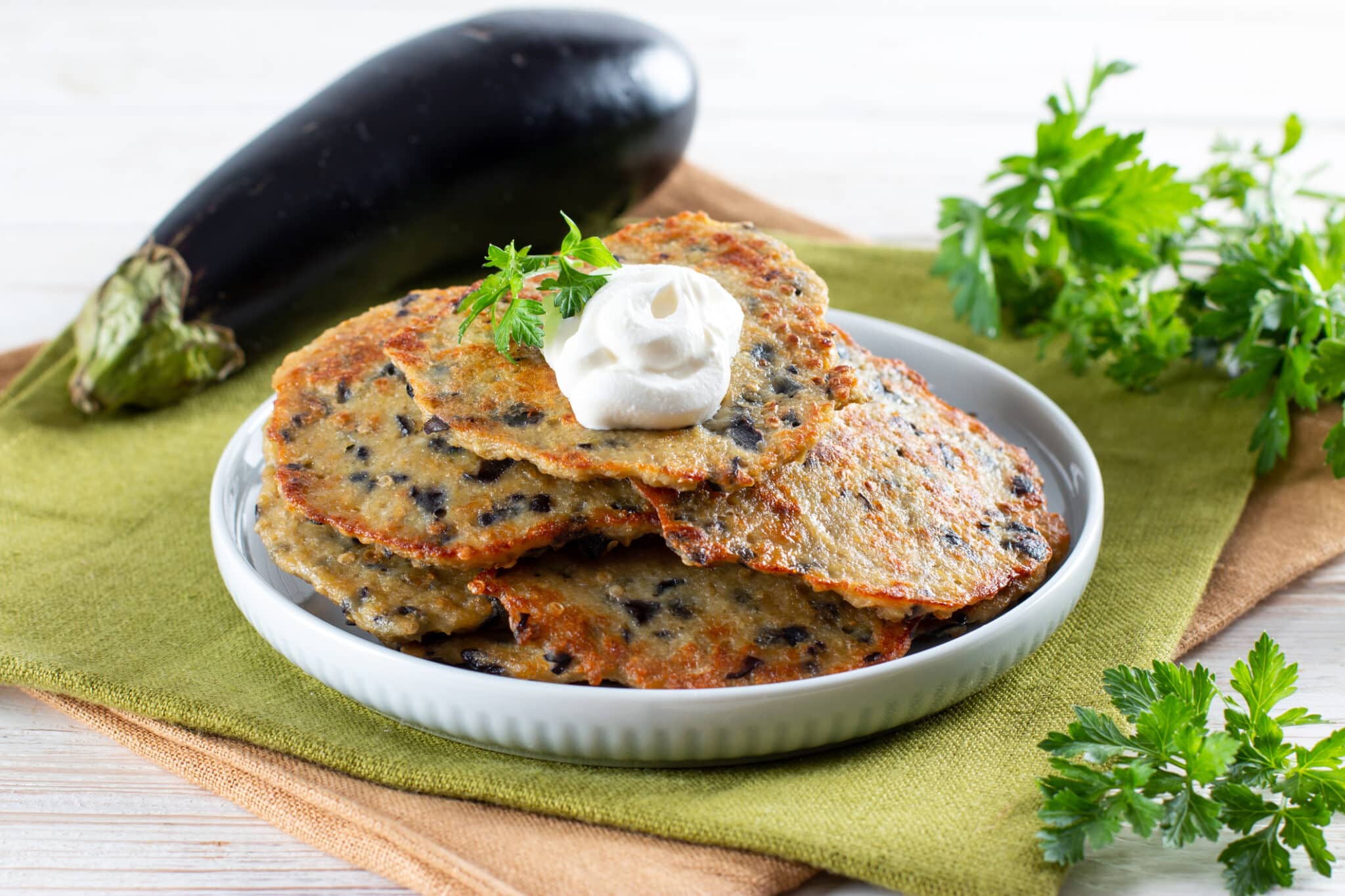
The Perfect Recipe for Vegan Burgers with Aubergines
Negli ultimi anni, gli hamburger vegani hanno segnato una vera e propria rivoluzione nel mondo...
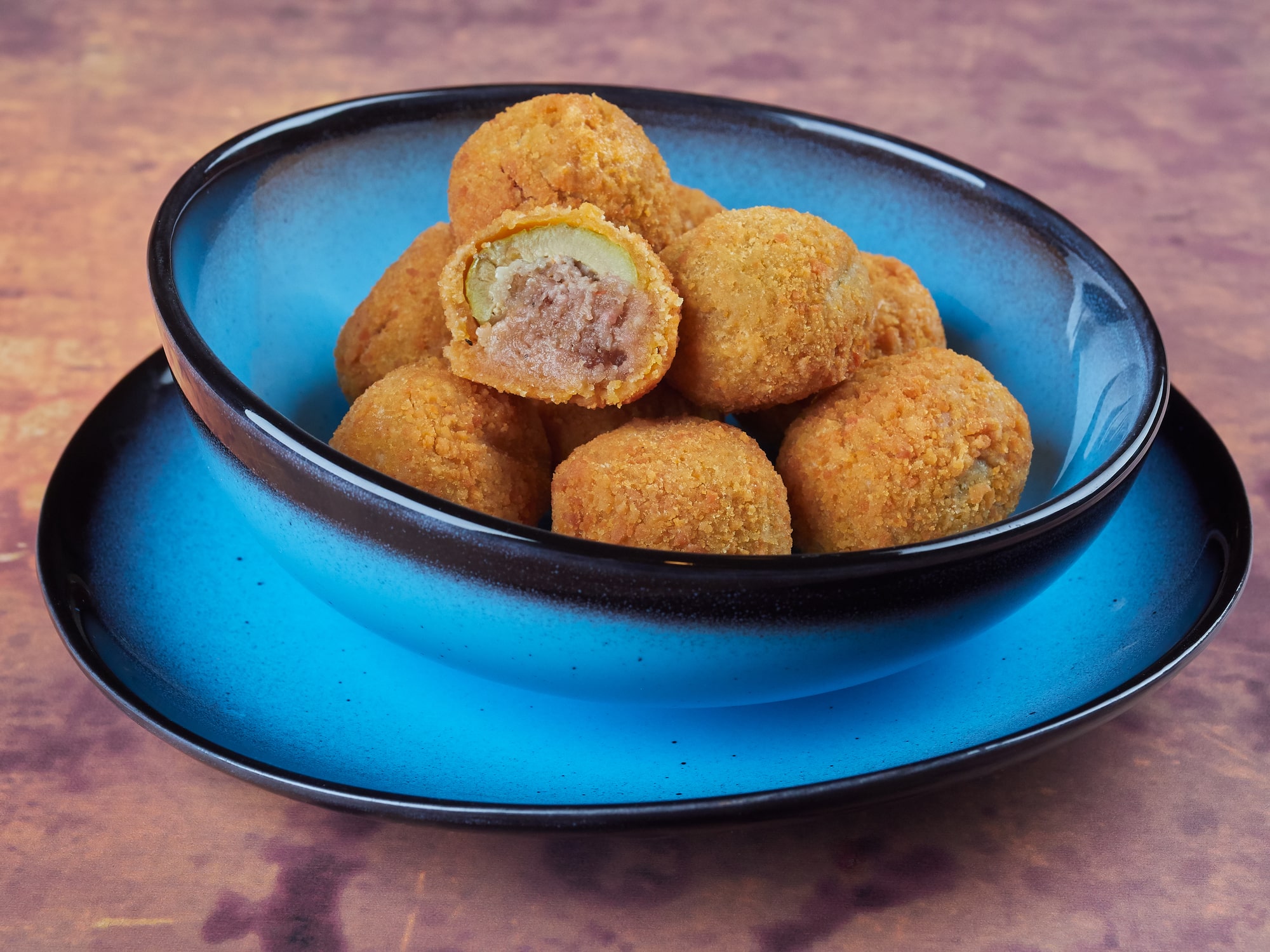
Olives all'Ascolana: A Treasure of Italian Cuisine
Le olive all’Ascolana sono uno dei piatti più iconici delle Marche, una regione del centro...
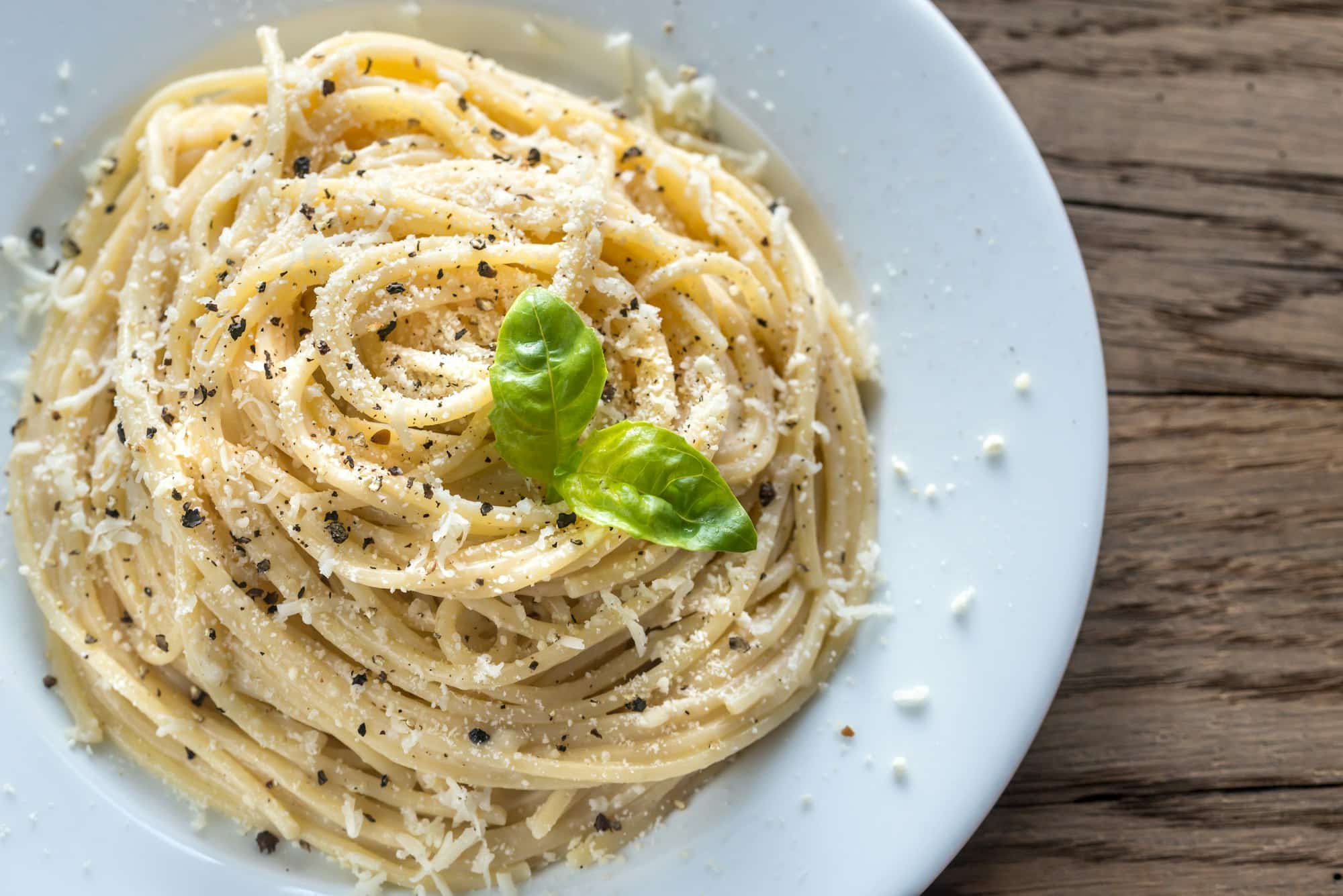
Traditional Tuscan Recipe: Pici Cacio e Pepe
Esplorare la cucina toscana è come intraprendere un viaggio sensoriale attraverso paesaggi mozzafiato e tradizioni...