
Le anchoviesalso known as alice, sono piccoli pesci dalla grande importanza sia in cucina che dal punto di vista nutrizionale. Questo pesce azzurro, appartenente alla famiglia Engraulidae, è un ingrediente fondamentale in molte tradizioni culinarie del Mediterraneo. Le acciughe sono note non solo per il loro sapore deciso e versatile, ma anche per i numerosi benefici per la salute. In questo articolo, esploreremo tutto ciò che c’è da sapere sulle acciughe: dalle loro caratteristiche biologiche alla pesca, dalla preparazione in cucina ai benefici nutrizionali.
Characteristics and Habitat of the Anchovy
The Anchovy Sketch: Size and Appearance
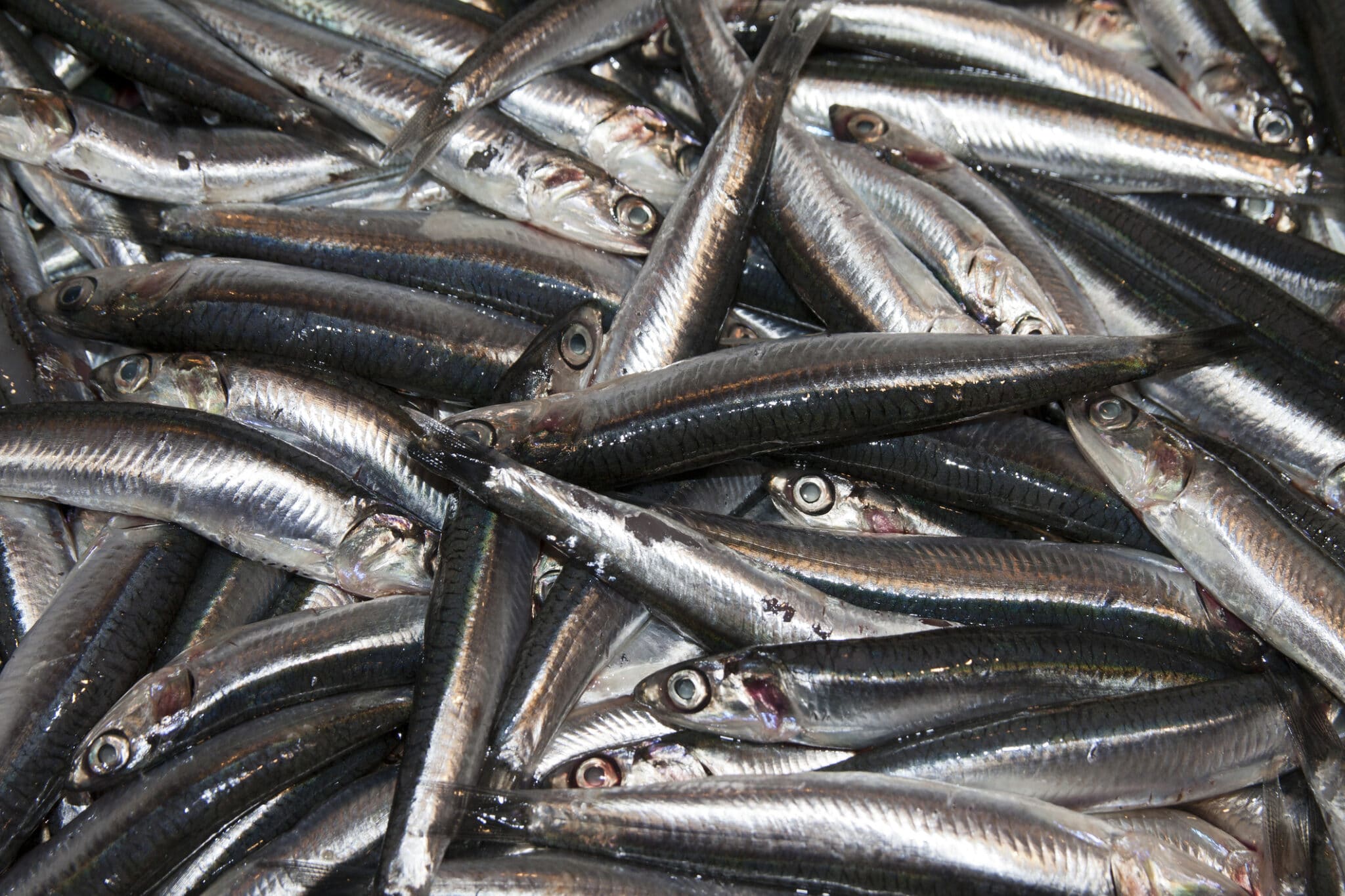
The anchovy, scientifically known as Engraulis encrasicolus, è un pesce che nonostante le sue piccole dimensioni, gioca un ruolo significativo sia nell’ecosistema marino che nella gastronomia umana. Solitamente, le acciughe raggiungono una lunghezza di 15-20 centimetresmaking them relatively easy to identify. Their bodies are elongated and tapered, with a silvery colouration on their flanks and a distinctive dark stripe running along their backs. This colour combination not only gives them an elegant appearance, but also serves as a natural camouflage against predators. The silvery colouration reflects the light from the water, making it more difficult for predators to spot these small fish.
Anchovies are abundant in the temperate and warm waters of the Mediterraneanwhere they find the ideal environment to thrive. However, their presence is not limited to this geographical area. In fact, anchovies are also found in the eastern Atlantic from the Bay of Biscay to the coast of South Africa. This wide distribution is indicative of their ability to adapt to different environmental conditions and their ecological importance.
Life Habits and Behaviour
Anchovies are pelagic fish that prefer the coastal watersoften being close to the surface of the sea. However, they can descend to depths of 200 metresdemonstrating remarkable adaptability. They are gregarious fish, which means that they live in large shoals. This gregarious behaviour not only offers protection against predators, but also facilitates the search for food and reproduction.
The diet of anchovies consists mainly of plankton, small crustaceans and fish larvae. This type of diet is typical of filter-feeding fish, which pass water through their gills to capture food. Their presence in large numbers and their plankton-based diet make them a fundamental link in the marine food chainsupporting not only the survival of larger predators, but also the entire marine ecosystem.
Anchovy Fishing
Traditional and Modern Fishing Techniques
Anchovy fishing is an activity of vital economic and cultural importance for many Mediterranean coastal regions. The fishing techniques used vary depending on the region and local traditions, but one of the most common and effective is fishing with anchovies. encircling nets. This technique involves the use of nets that encircle entire schools of fish, allowing large quantities of anchovies to be caught without damaging the marine ecosystem. The use of encircling nets is considered relatively sustainable because, if well managed, it can minimise bycatch of other marine species.
Sustainability and Regulation
La sostenibilità della pesca delle acciughe è un tema cruciale, soprattutto in un’epoca in cui molte risorse marine sono sovrasfruttate. Molte regioni hanno implementato strict regulations per garantire che le popolazioni di acciughe rimangano stabili. Questi regolamenti includono limiti di cattura, periodi di fermo pesca per permettere il ripopolamento e l’uso di attrezzature di pesca selettive che riducono al minimo l’impatto sull’ambiente. Ad esempio, in Italia e in Spagna, ci sono leggi che regolano la dimensione minima delle maglie delle reti per garantire che solo i pesci di dimensioni adeguate vengano catturati, permettendo ai giovani esemplari di crescere e riprodursi.
Sustainable management of marine resources is essential to ensure that anchovies can continue to be a source of food and income for coastal communities. In addition, sustainable fishing helps to preserve the marine biodiversityensuring that marine ecosystems can continue to function in a healthy and balanced manner.
Preparation and Use in the Kitchen
Culinary Versatility of Anchovies
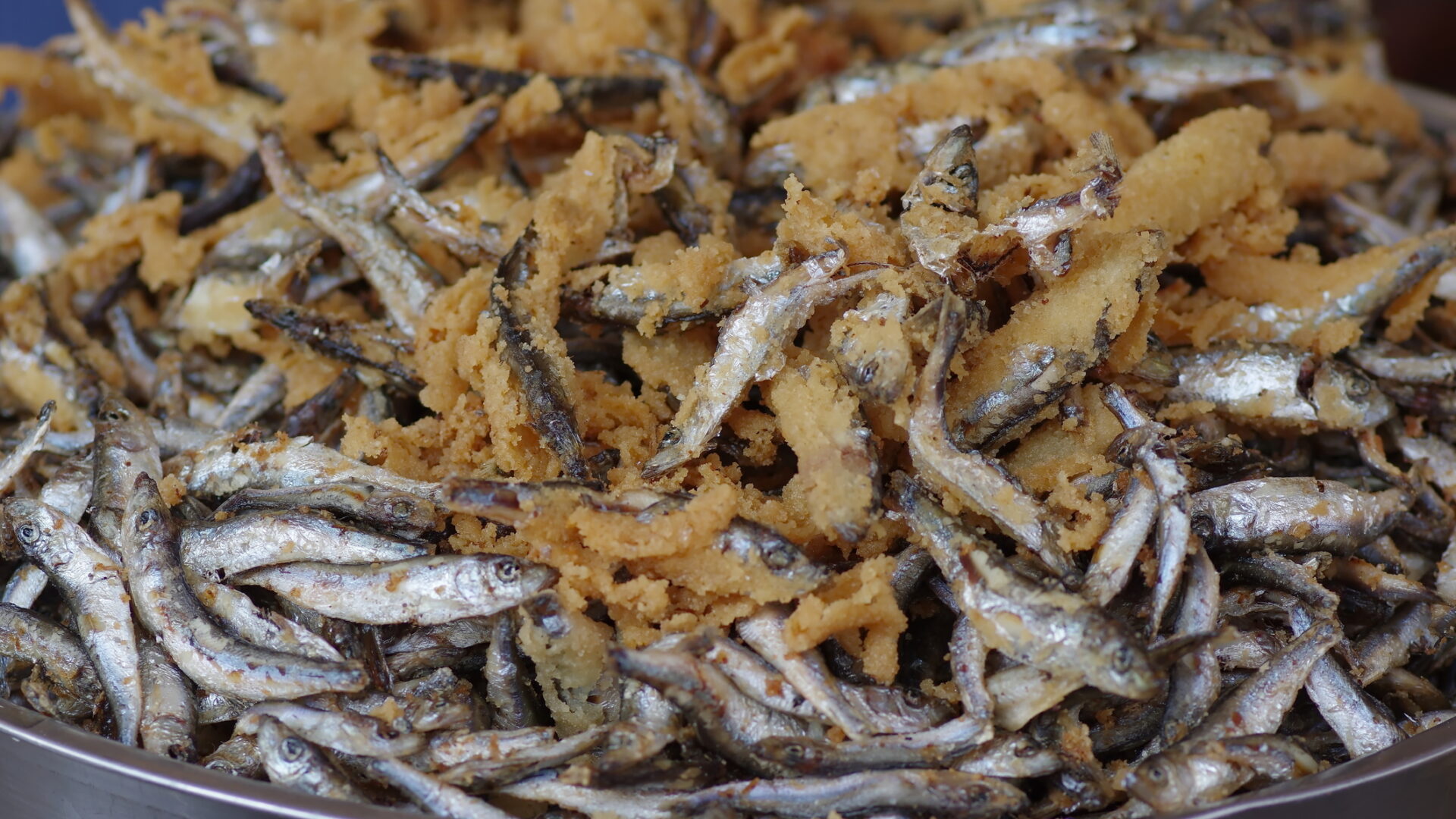
Anchovies are incredibly versatile in the kitchen, and their preparation can vary greatly according to local culinary traditions. They can be eaten fresh, marinated, salted or preserved in oil, each of these preparations enhancing different characteristics of the fish. One of the most common and traditional preparations is the salted anchovies, an ancient preservation method that enhances the intense flavour of the fish. This method involves cleaning the anchovies and storing them in alternating layers of sea salt, which intensifies their flavour and prolongs their shelf life.
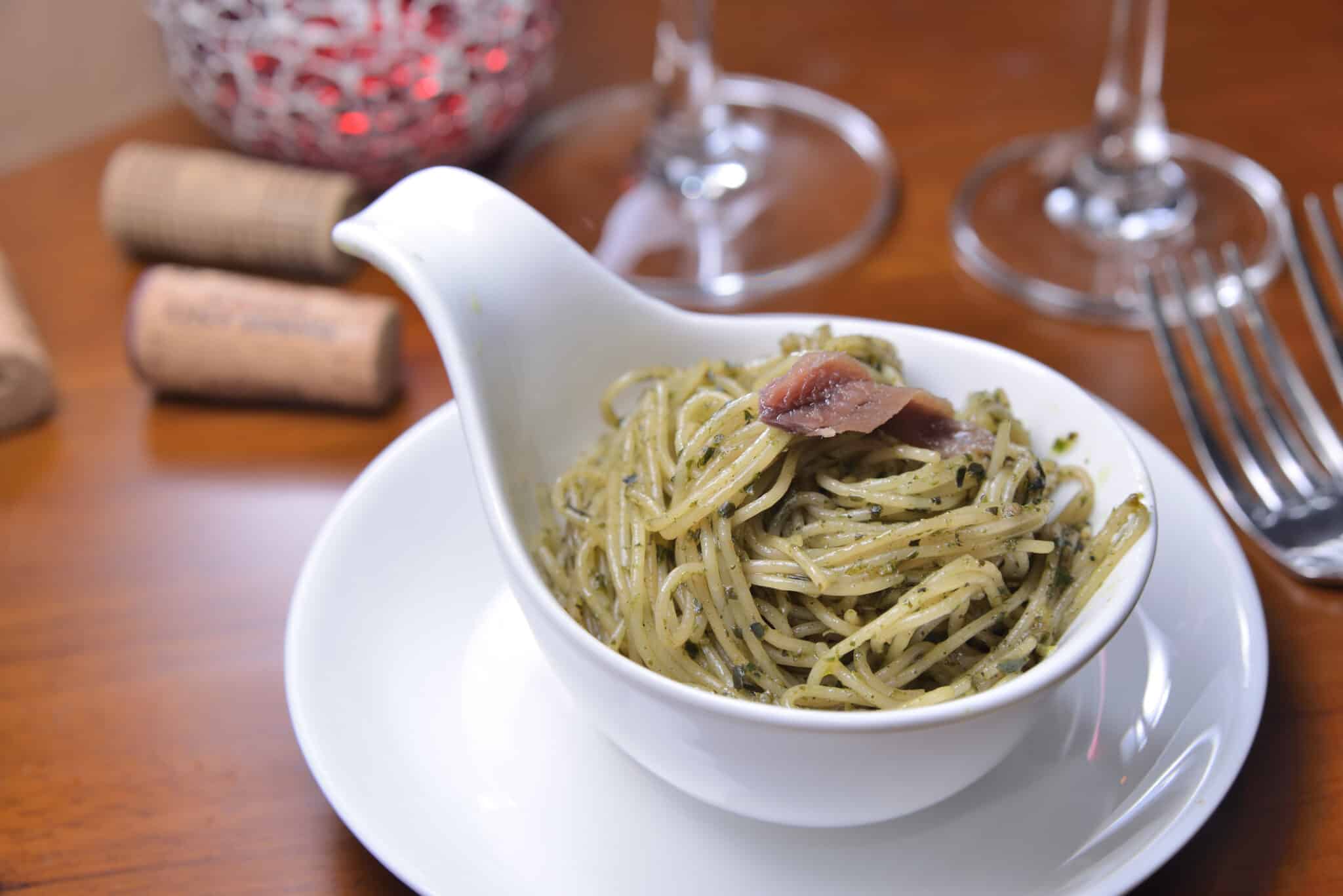
Le acciughe salate possono essere utilizzate per preparare una vasta gamma di piatti, dalle insalate ai condimenti per la pasta. Ad esempio, nella cucina italiana, le salted anchovies are a key ingredient in the preparation of anchovy pastaa simple yet flavourful dish that combines anchovies with olive oil, garlic and chilli pepper.
Traditional and Innovative Dishes
A classic Italian dish that uses anchovies is the Neapolitan pizzawhere salted anchovies are added to give it a unique and strong flavour. The combination of mozzarella, tomato and anchovies creates a perfect balance of flavours, which has made this pizza variant famous worldwide. Another example is the bagna caudaa Piedmontese hot sauce made with anchovies, garlic and olive oil, which is traditionally served with raw vegetables. This dish enhances the flavour of anchovies and is one of the most iconic preparations of Piedmontese cuisine.
Anchovies are also used in more innovative preparations. For example, they can be added to gourmet salads, used as the main ingredient in tapas Spanish or even incorporated into complex sauces for haute cuisine dishes. Their versatility and intense flavour make them a valuable ingredient in many cuisines around the world, both in traditional dishes and in new culinary creations.
Nutritional Benefits of Anchovies
A Source Rich in Protein and Omega-3
Anchovies are not only delicious, but also extremely nutritious. They are an excellent source of proteins high quality, essential for the growth and maintenance of body tissue. Protein consists of amino acids, some of which are essential and must be taken in through the diet. Anchovies provide a full range of these essential amino acids, making them a particularly useful food for those on a balanced diet.
In addition, anchovies are rich in omega-3 fatty acidswhich are known for their heart health benefits. Omega-3s, particularly eicosapentaenoic acid (EPA) and docosahexaenoic acid (DHA), help reduce levels of bad cholesterol (LDL) and increase those of good cholesterol (HDL). This balance contributes to the prevention of cardiovascular disease by reducing the risk of heart attacks and strokes. In addition, omega-3 has anti-inflammatory properties and can improve brain health and cognitive function.
Essential Vitamins and Minerals
Anchovies also contain vitamins and minerals important, such as the vitamin Dthe football and the selenium. Vitamin D is essential for healthy bones and the immune system, helping the body to utilise calcium effectively. Calcium, on the other hand, is essential for the formation and maintenance of healthy bones and teeth, and is particularly important for the prevention of osteoporosis.
Selenium, finally, is a powerful antioxidant which protects cells from oxidative stress, reducing the risk of chronic diseases such as cancer. In addition, selenium supports the proper functioning of the immune system and the thyroid gland.

In summary, anchovies not only enrich dishes with their unique flavour, but also offer a wide range of health benefits, making them a valuable addition to any balanced diet.
A Treasure of the Sea in Your Kitchen
Anchovies: Small Fish, Big Benefits
Anchovies, also known as anchovies, are more than just an ingredient in cooking. These small fish offer a unique combination of intense flavour and nutritional benefits that make them indispensable in Mediterranean diets and beyond. Their versatility in the kitchen allows them to be used in a wide range of dishes, from classics such as Neapolitan pizza and bagna cauda to more innovative and gourmet preparations. Their rich in protein, omega-3 fatty acids, vitamins and minerals makes them a valuable health ally.
Sustainability and Tradition
Anchovy fishing, if conducted sustainably, can continue to support coastal communities and preserve fish populations for future generations. Fishing techniques, such as the use of purse seines, and strict regulations help maintain an ecological balance, ensuring that the marine environment is not compromised.
The Taste of Anchovies in Your Dish
L’utilizzo delle acciughe in cucina è un viaggio attraverso sapori ricchi e complessi. Che siano consumate fresche, marinate, salate o conservate sott’olio, le acciughe aggiungono un tocco di umami taste that enhances any dish. Try incorporating them into your recipes to discover new dimensions of flavour and health.
FAQ on Anchovies
1. Are fresh anchovies better than preserved ones? It depends on the use. Fresh anchovies are ideal for delicate dishes, while salted or pickled anchovies add intense and complex flavours.
2. How can I reduce the salty taste of preserved anchovies? You can rinse them briefly under running water or soak them in milk for a few minutes before use.
3. Are anchovies safe to eat for those with cholesterol problems? Yes, anchovies are rich in omega-3 fatty acids that can help manage cholesterol levels.
4. What is the best way to store fresh anchovies? Le acciughe fresche devono essere conservate in frigorifero e consumate entro uno o due giorni dall’acquisto per garantire la freschezza.
5. Can I use anchovies in vegetarian dishes? No, anchovies are fish and not suitable for a vegetarian diet. However, there are vegetable alternatives that can mimic their umami flavour, such as seaweed.
Per un viaggio gastronomico in Italia, prenota il tuo alloggio nelle regioni che ti ispirano. Un’auto a noleggio è il modo migliore per raggiungere le trattorie di campagna e i mercati locali. Le esperienze guidate enogastronomiche includono degustazioni e corsi di cucina con prodotti del territorio.