
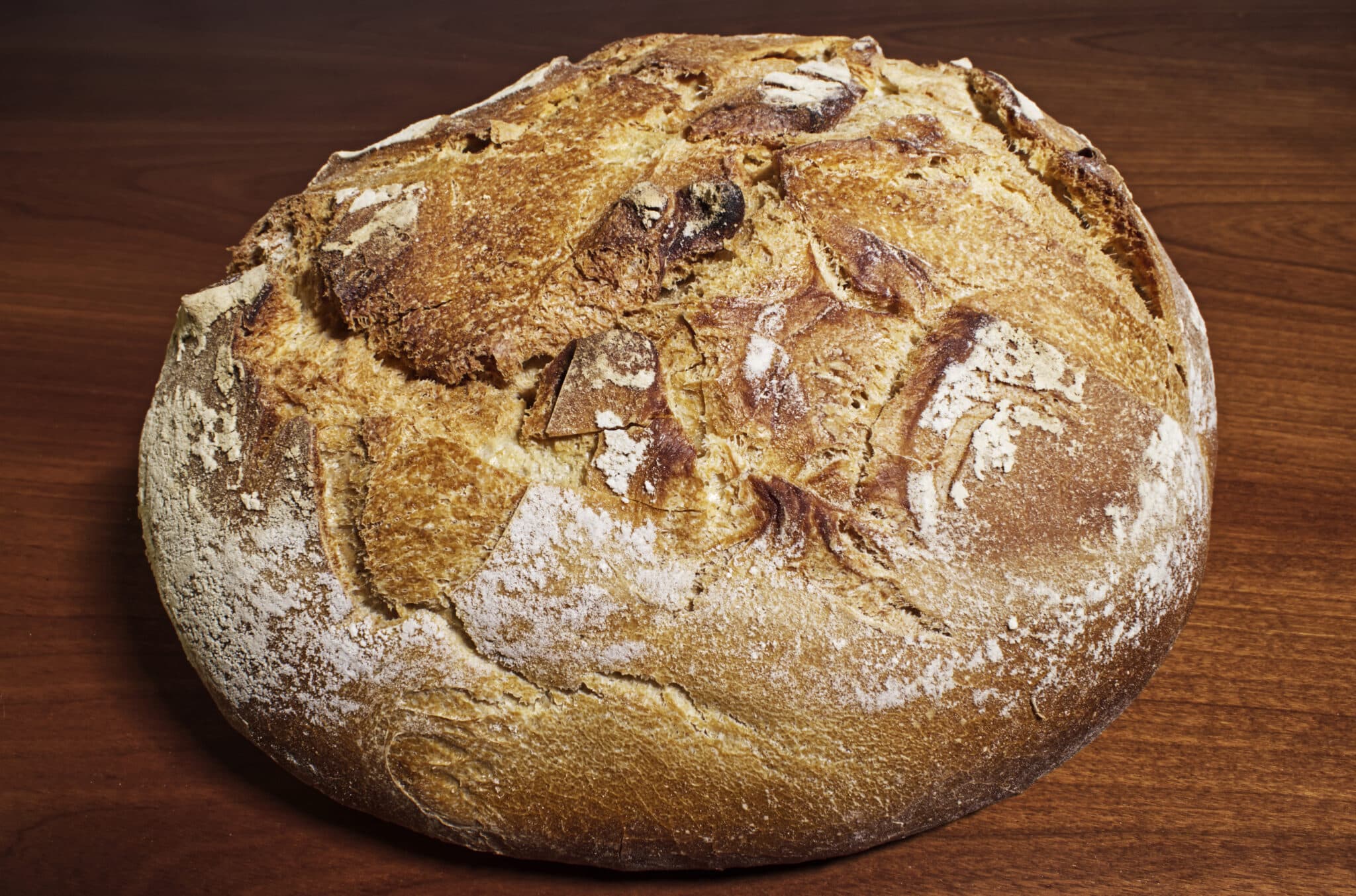
Pane di Altamura: The Treasure of Apulian Tradition

The Altamura bread is one of the most representative symbols of Italian gastronomic tradition. Questo pane, noto per la sua crosta croccante e la mollica soffice, ha una storia antica e affascinante che risale a secoli fa. Originario della città di Altamuralocated in the Apulia region, this bakery product has been awarded the PDO (Protected Designation of Origin) in 2003, a certificate of quality and authenticity certifying its production and unique characteristics.
The History of Altamura Bread: A Journey Through the Centuries
The Ancient Origins of Altamura Bread
La storia del Pane di Altamura è deeply rooted nella cultura locale e nelle tradizioni contadine della Puglia. Le prime tracce di questo pane straordinario risalgono all’epoca romana, come testimoniano alcuni scritti di Horace, il famoso poeta latino, che menzionava questo pane come uno dei migliori mai assaggiati durante i suoi viaggi. Questo pane era già allora apprezzato per la sua crunchy texture and its unique flavour, and over the centuries its fame has only grown. The recipe for Pane di Altamura has been handed down from generation to generation, keeping intact its authenticity and its link with the territory. Each family has contributed to preserving and perfecting the production technique, transforming this bread into a true symbol of the Apulian culinary tradition.
Simple and Genuine Ingredients
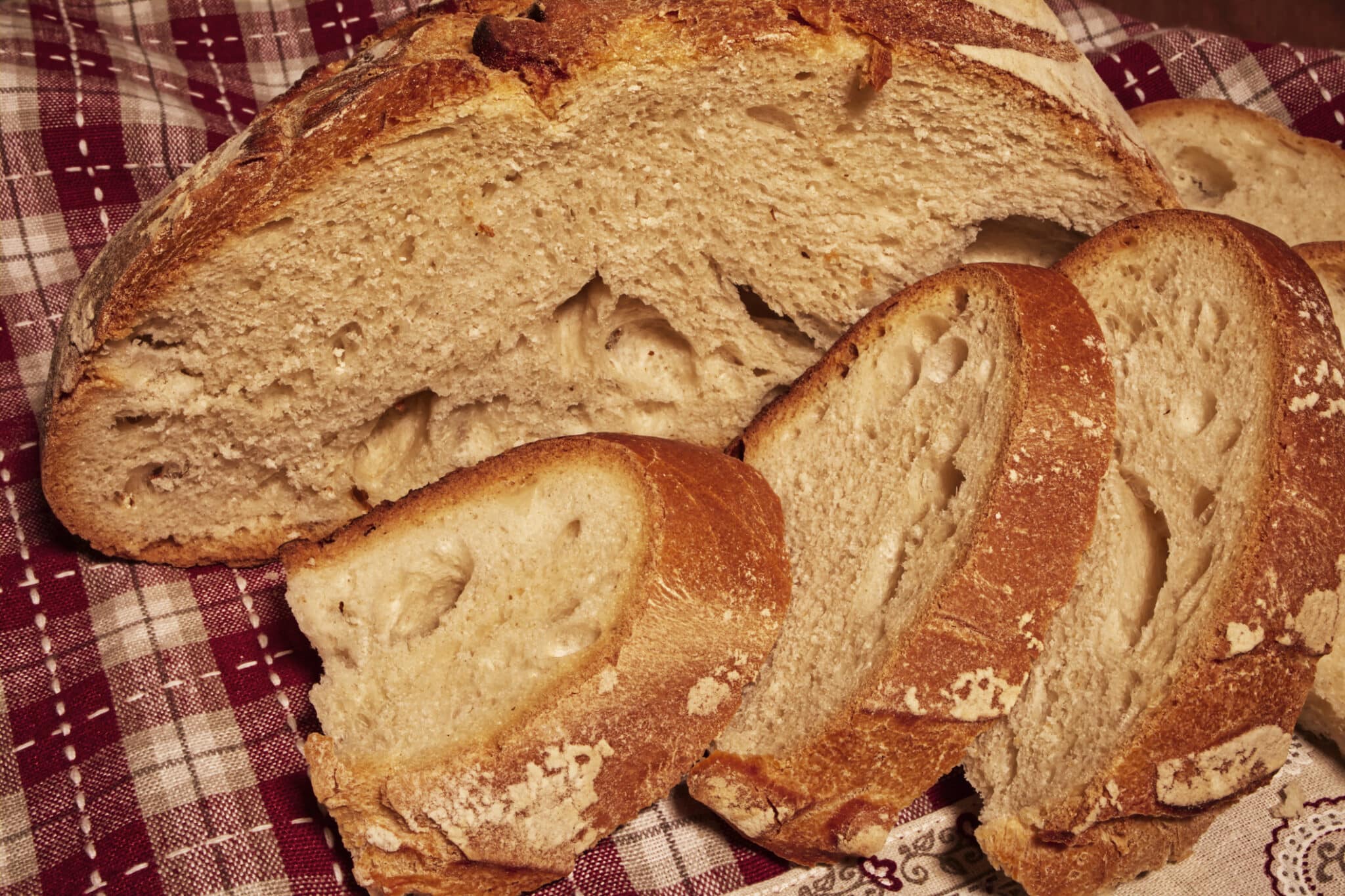
The secret of Altamura bread's success lies in the simple and genuine ingredients used in its preparation. La remilled durum wheat flourwater, salt and natural yeast (mother yeast) are the only elements needed to create this masterpiece of bread-making. The durum wheat flour used is exclusively that cultivated in the areas surrounding Altamura, an area that offers ideal conditions for the growth of this type of wheat. This flour, rich in protein and gluten, is essential to obtain a compact and honeycombed crumb, the distinctive characteristic of Pane di Altamura. The mother yeast, obtained from the natural fermentation of water and flour, is refreshed daily to keep it active and vital. Its presence guarantees a long and uniform leavening, which can last up to 18 hours, giving the bread a unique aroma and flavour.
Craftsmanship and Tradition
The production of Pane di Altamura is a process that requires time, passion and an in-depth knowledge of traditional techniques. Each stage of production is carried out with care and attention, from the preparation of the dough to the final baking. After rising, the dough is moulded into typical shapes, such as the classic high loaf or the low loafand baked in wood-fired ovens. Baking is a crucial moment: the intense heat of the wood-fired oven creates a thick, crispy crust, while the inside remains soft and moist, perfect to accompany a wide range of dishes. Each loaf is the result of craftsmanship that respects centuries-old traditions, guaranteeing a final product of highest quality.
The Preparation of Altamura Bread: An Ancient Art
The Choice of Ingredients
La preparation of Altamura bread is an ancient art that requires dedication and an in-depth knowledge of traditional techniques. It all starts with the choice of ingredients, which must be of excellent quality to guarantee an optimal result. The flour used must be exclusively durum wheat, cultivated in the areas surrounding Altamura. This flour is rich in protein and gluten, two fundamental components to obtain a compact and honeycombed crumb, the distinctive characteristic of this bread. The water used must be pure and free of impurities, while the sea salt adds that touch of flavour that enhances the bread's taste.
The Role of the Mother Yeast
The sourdough is another essential element in the preparation of Pane di Altamura. This type of yeast, obtained from the natural fermentation of water and flour, is refreshed daily to keep it active and vital. Its presence guarantees a long and uniform leavening process, which can last up to 18 hours. This slow rising process gives the bread a unique aroma and flavour, as well as making it more digestible. The mother yeast, in fact, facilitates digestion and improves the absorption of nutrients, making Pane di Altamura not only tasty, but also healthy.
Processing and Cooking
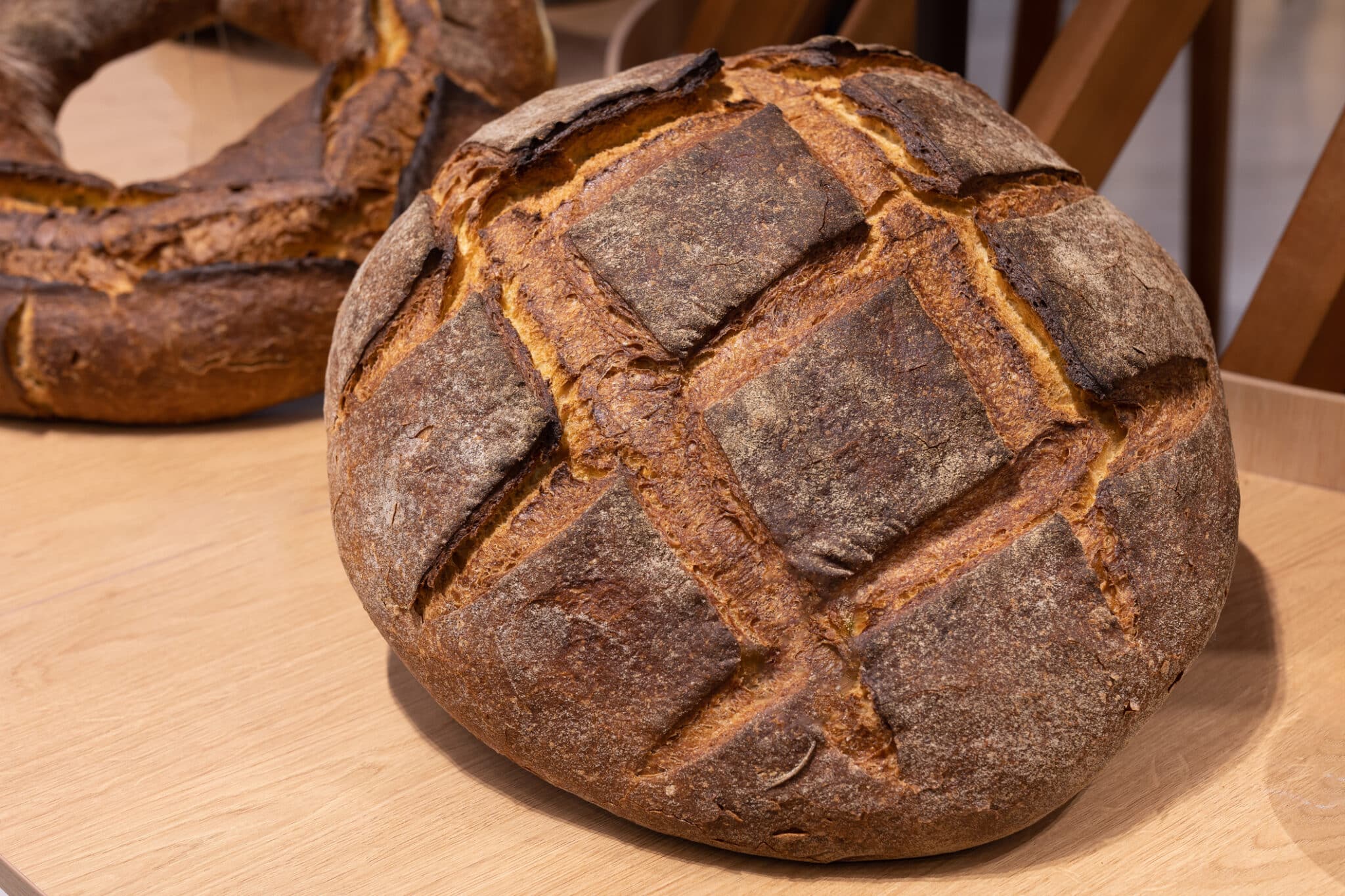
Once the dough has been prepared, we proceed to the kneading stage, which requires skill and precision. The dough is moulded into typical shapes, such as the high loaf or the low loafand left to rest to allow a second rising. Baking takes place in wood-fired ovensa method that gives the bread its characteristic smoky flavour and crispy crust. The intense heat of the wood-fired oven creates a thick, crispy crust, while the inside remains soft and moist, perfect to accompany a wide range of dishes. Baking is a crucial moment: the intense heat of the wood-fired oven creates a thick, crispy crust, while the inside remains soft and moist, perfect to accompany a wide range of dishes. Each loaf is the result of craftsmanship that respects centuries-old traditions, guaranteeing a final product of the highest quality.
The Cultural and Nutritional Value of Altamura Bread
A Cultural Symbol
The Altamura bread is not just a food product, but a real cultural symbol. Each bite tells a story of centuries-old traditions, love of the land and respect for artisanal methods. This bread is often at the centre of Apulian tables, accompanying dishes of all kinds, from the simplest to the most elaborate. Its presence is synonymous with conviviality and sharing, fundamental elements of Italian culture. Every family has its own way of enjoying Pane di Altamura, but what they all have in common is an appreciation for its quality and unique flavour.
Nutritional Benefits
In addition to its cultural value, the Altamura bread also has considerable nutritional benefits. Being made from durum wheat flour, it is rich in fibre, protein and B vitamins. The presence of sourdough also facilitates digestion and improves the absorption of nutrients. Thanks to the long leavening process, the bread is also lighter and more digestible than other industrial breads. Pane di Altamura is therefore not only a pleasure for the palate, but also an ally for health. Its nutritional characteristics make it suitable for everyone, including those on special diets or wishing to maintain a healthy lifestyle.
Tradition and Innovation
The Altamura bread represents a perfect combination of tradition and innovation. Se da un lato la sua preparazione segue metodi antichi e consolidati, dall’altro è possibile trovare varianti moderne che si adattano ai gusti e alle esigenze dei consumatori contemporanei. Molti forni e panifici stanno sperimentando con nuovi ingredienti e tecniche, pur mantenendo intatti i principi fondamentali della ricetta tradizionale. Questa capacità di evolversi senza perdere la propria identità è uno dei segreti del successo del Pane di Altamura, che continua a conquistare palati in tutto il mondo.
Articoli Correlati
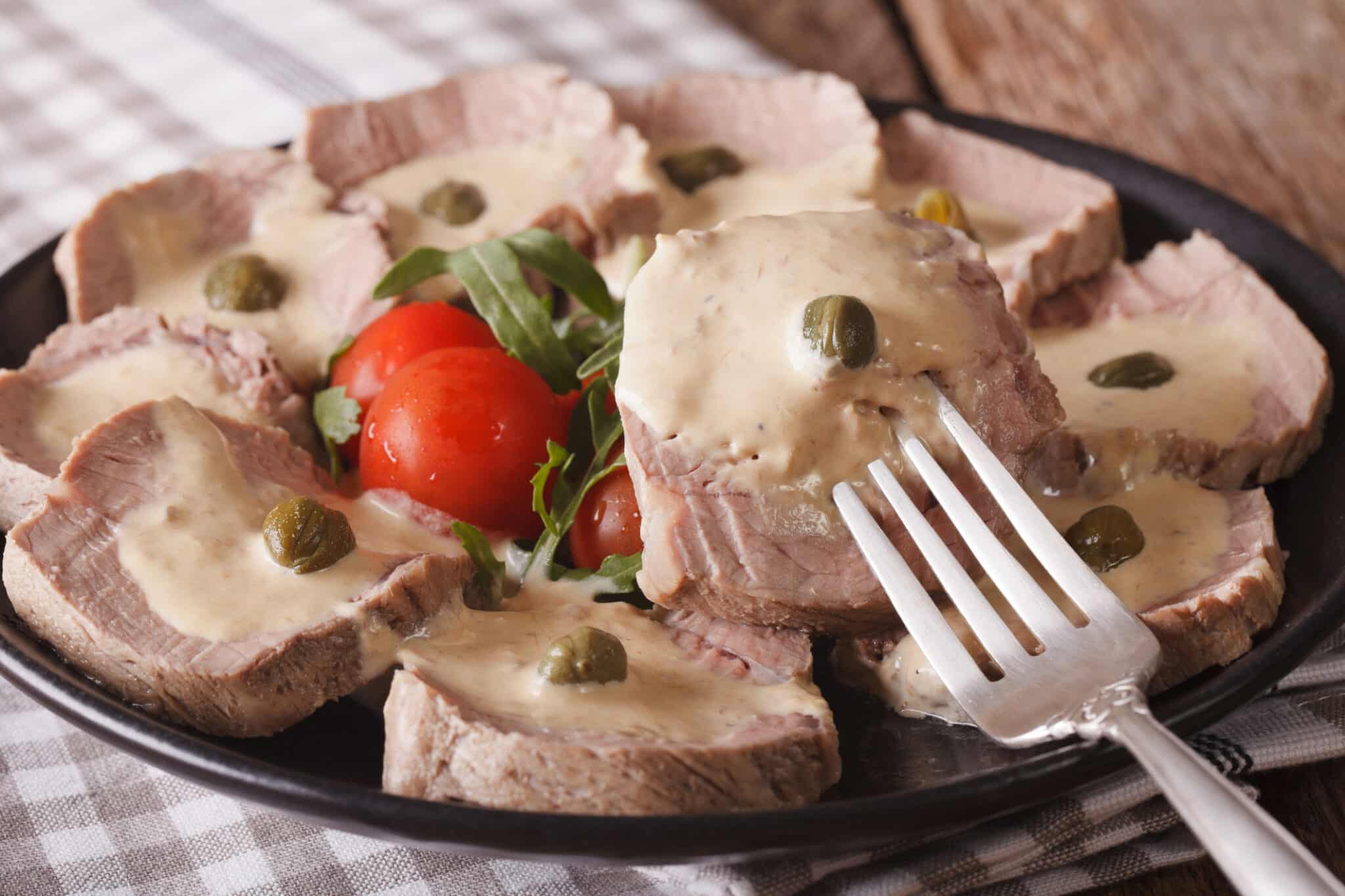
Vitel tonné: A Journey through Italian Taste
Il Vitel tonné è un piatto che rappresenta una delle eccellenze della cucina italiana, in...
Il sapore autentico del castagnaccio toscano: un viaggio d’autunno
Il sapore autentico del castagnaccio toscano: un viaggio d’autunno Immagina di camminare in una mattina...
Un viaggio tra i piatti tipici della Pasqua in Italia: tradizioni e sapori regionali
La Pasqua in Italia non è solo una celebrazione religiosa, ma anche un’occasione per riunirsi...