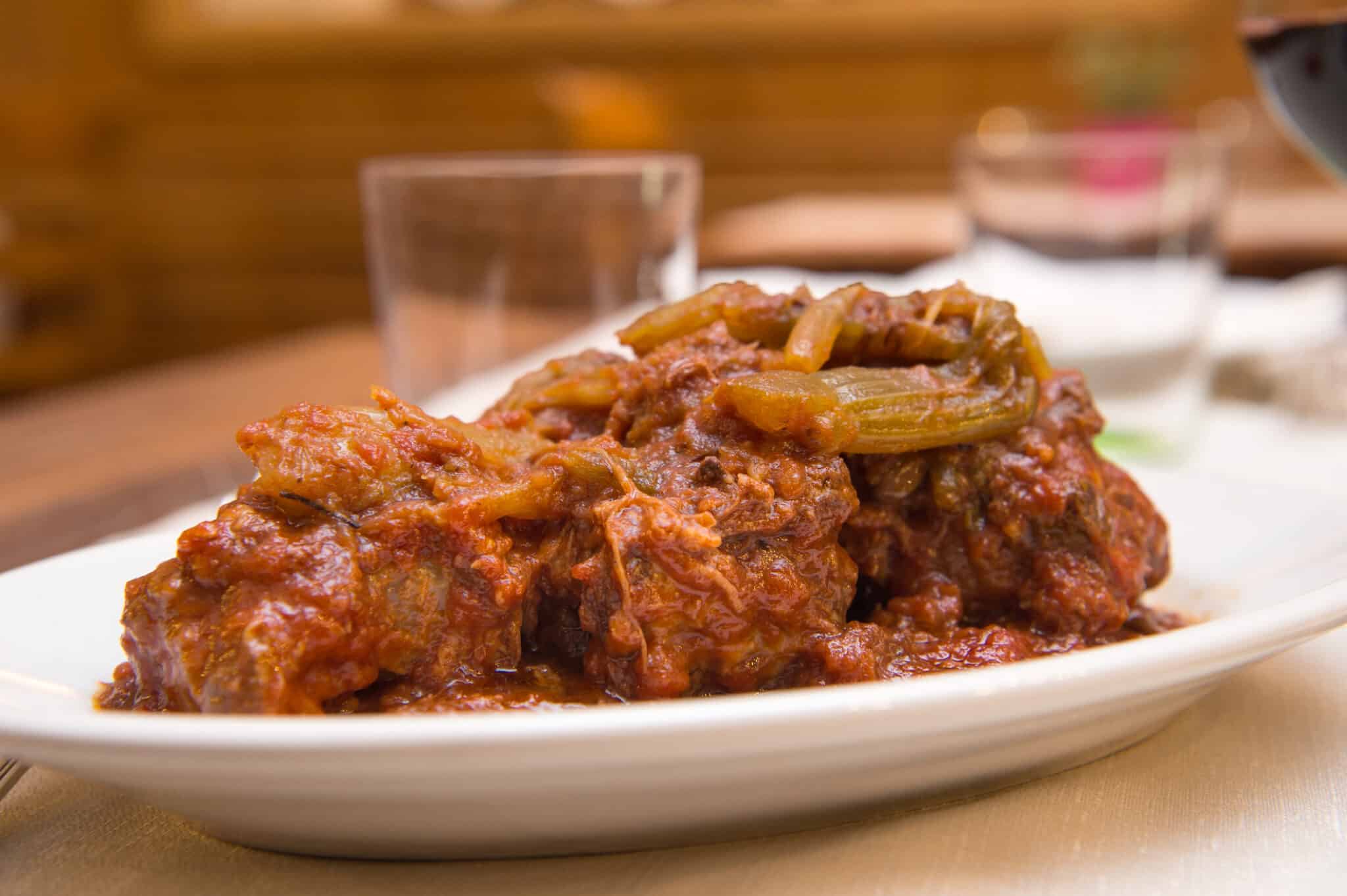
La Coda alla Vaccinara è uno dei piatti più iconici della cucina romana, un vero e proprio viaggio nei sapori e nelle tradizioni culinarie della Città Eterna. Questo piatto, che ha origini umili ma una storia ricca e affascinante, è il risultato di un sapiente uso degli ingredienti e di una cottura lenta e paziente. Scopriamo insieme la sua storia, gli ingredienti fondamentali e la ricetta per preparare una perfetta Coda alla Vaccinara a casa.
La Coda alla Vaccinara affonda le sue radici nel cuore pulsante di Roma, precisamente nel Testaccio district. This district, known today for its liveliness and culinary offerings, was for centuries the nerve centre of slaughtering and meat trading. The name 'Testaccio' derives from the mountain of the same name, formed by the shards of amphorae and pottery accumulated over the centuries, but what makes this quarter truly unique is its history linked to the butchers, known as 'vaccinari'.
The word 'vaccinara' derives from 'vaccinari', a term that indicated the butchers of the neighbourhood. In ancient times, vaccinarians were a key figure in the communitynot only because they provided the necessary meat for the population, but also because they were the architects of transforming the less valuable cuts into gastronomic delicacies. Among these cuts, the oxtail was one of the most humble ingredients and less appreciated by the rich, who preferred the nobler and more tender cuts.
The vaccinarians, therefore, often had to deal with these poor cuts. However, thanks to their skill and creativity, they managed to transform a seemingly unappetising ingredient into a delicious and nutritious dish. Beef tail, with its intense flavour and special texturethus became the basis for a recipe that would later become one of the symbols of Roman cuisine.
A fundamental aspect of the Coda alla Vaccinara is the slow cooking. This method of cooking, which requires hours of patience, allows the meat to become tender and absorb all the flavours of the other ingredients. In this way, the butchers of Testaccio were able to achieve a rich and tasty dish using simple ingredients that were often considered waste.
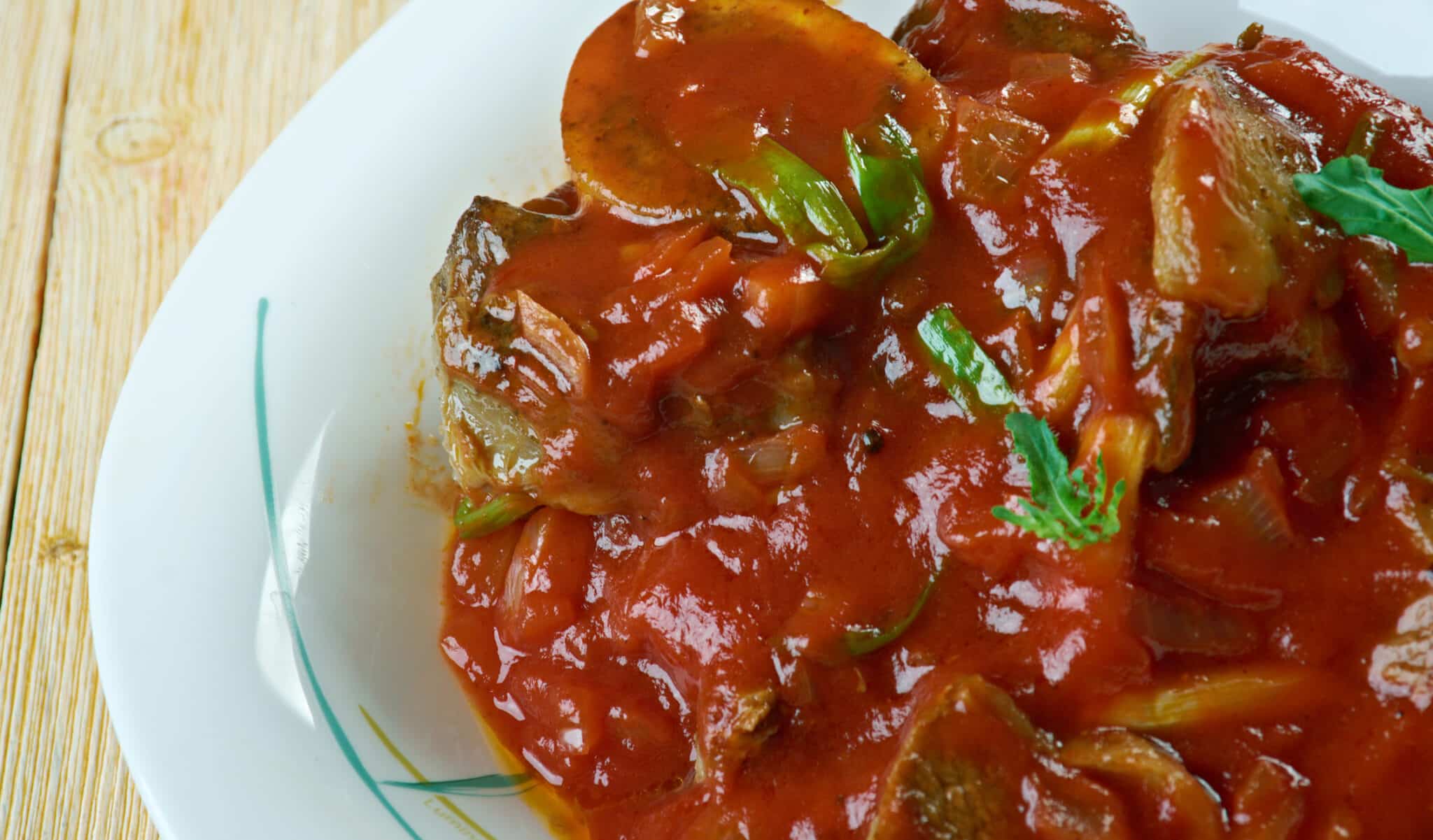
The tradition of slow cooking has been handed down from generation to generation, and is still one of the key elements in preparing an authentic Coda alla Vaccinara. Patience and dedication in the preparation of this dish reflect a love and respect for Roman cuisine and traditions.
Today, Coda alla Vaccinara is not just a dish, but a symbol of the cultura culinaria romanaan example of how poor cuisine can be transformed into a gastronomic masterpiece. Thanks to the passion and skill of the Testaccio butchers, this dish continues to delight the palates of those lucky enough to taste it, keeping alive a tradition that has its roots in the heart of the Eternal City.
To prepare a Coda alla Vaccinara authentic, it is essential to have the right ingredients. Here's what you'll need:
Prepare the Coda alla Vaccinara takes time and dedication, but the end result repays all efforts. Here is the recipe step by step:
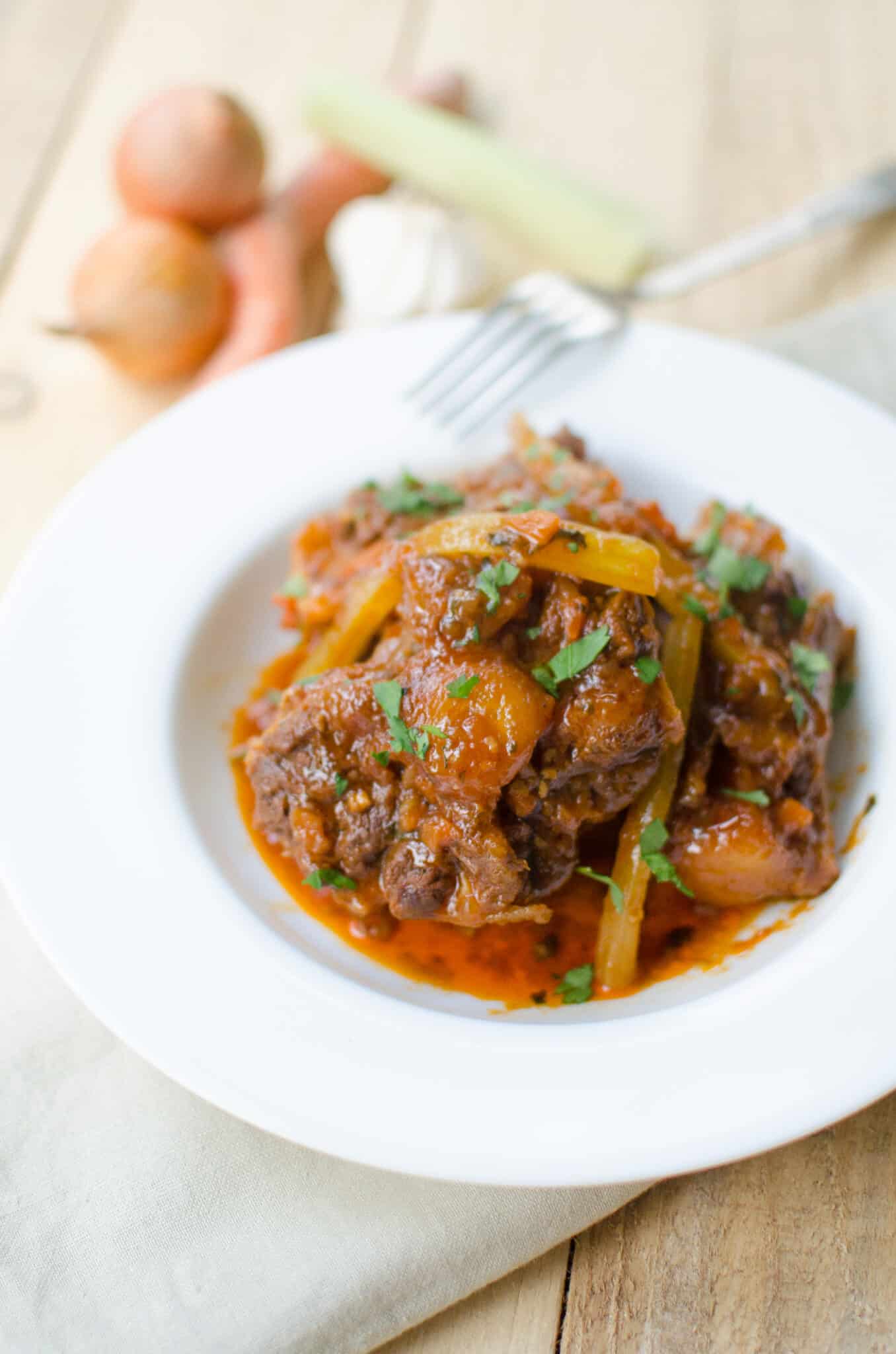
La Coda alla Vaccinara should be served hot, accompanied by a good glass of red wine, preferably a Lazio wine such as Cesanese. Traditionally, it is enjoyed with a side dish of vegetables or boiled potatoes, but it is also delicious with a bit of homemade bread to make scarpetta with the rich sauce.
La Coda alla Vaccinara is more than just a dish: it is a celebration of Roman culture and tradition, an example of how poor cuisine can be transformed into a gastronomic masterpiece. Preparing it takes time and love, but the satisfaction of savouring every bite makes every minute spent in the kitchen more than worth it. So, the next time you want to impress your guests or simply pamper yourself with a dish rich in history and flavour, don't hesitate to prepare a delicious Coda alla Vaccinara!